About Me: I am a 19-year-old, passionate about STEM, leadership, and community service. I am currently enrolled at the University of Mary Washington after transferring from Northern Virginia Community College. I am majoring in communication and digital studies and I am taking German as my second language. I have been on the UMW deans list for all three of my completed semesters and I am set to graduate in the spring of 2027.
How are digital tools changing tabletop gaming?
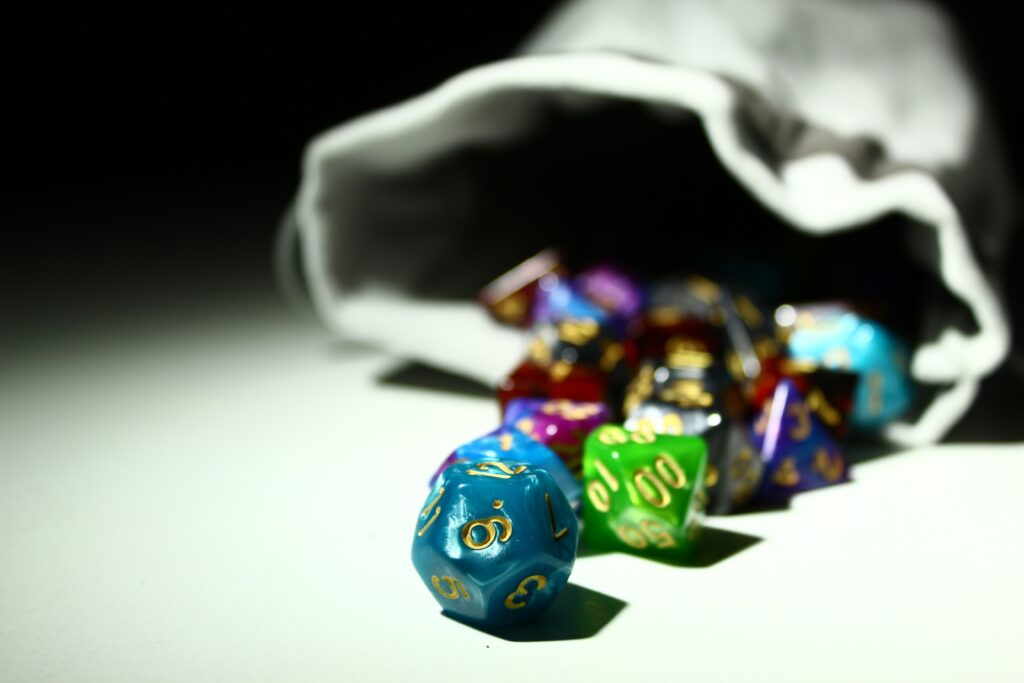
image credit Alperen Yazgi on unsplash
As an avid table top gamer who has played extensively both in person and online I think that the effects of digital tools on table top gaming are worthy of investigation. A hobby that started out as a way to play structured make believe with your friends on a cozy Saturday afternoon, all gathered around a table eating delivery pizza with your noses buried in various rulebooks has begun moving towards an increasingly digitized future. While this can in some ways be a positive, allowing you to play with friends over vast distances or communicate with your fellow players easily outside of sessions I believe it has also diminished the social connection aspect of tabletop gaming that for me at least hold much of the appeal. Additionally as tabletop gaming has gotten more popular in recent years the once thriving creative scene of fans developing new ways to play has gotten increasingly corporate as investors smell money to be made.
Why am I interested in this question?
I have been an avid tabletop gamer for the majority of my life now. Because I lived through some of my formative years during the covid pandemic I am intimately familiar with both the digital tools used for tabletop gaming and how they can facilitate the hobby. Additionally I am also familiar with how the tabletop gaming community has shifted post covid to a more online experience. Because of this I am interested in engaging in more formal research about how digital tools are being adopted and how they are shifting the gaming experience. Although as mentioned I have my own experience to draw on I would like to pursue more unbiased data on how tabletop gaming has changed, especially over the past couple of years.
How does this add to the existing conversation
A lot of the discourse in the tabletop gaming community about using digital tools is very biased towards one way or another. On one side you have older gamers that are very much anti tech in tabletop gaming, seeing it as diminishing important aspects of the hobby such as collecting rulebooks, dice figures, etc. On the other hand you have a younger audience that never experienced a time when these tools were not available and see them as being as much a part of the hobby as anything else. I would like to add a more neutral voice to this conversation exploring both the ups and downs of these tools from a more nuanced perspective, not only as a tabletop gamer but also as a communication student interest in exploring how these tools are changing the way that we connect with one another.
Some existing voices on the topic
I would like to note that the following segments do focus on the Dungeons and Dragons TTRPG as it is the system and community I am most familiar with. The topics and tools discussed though do for the most part serve other systems or have equivalents for other systems. Although these sources do talk about dnd specifically their talking points are widely applicable to other games.
Some online gaming tools
Roll 20 is a free online platform that is compatible with dnd, pathfinder, and many more TTRPGs
Fantasy grounds is a paid online platform compatible with dnd and pathfinder by default with additional paid modules for other systems. Although their website claims they are “free to play” the vast majority of their features are locked behind a paywall.
Discord is an online community building platform designed to cater to video gamers and although they do not have inbuilt support for tabletop gaming they are still used by many tabletop gamers because of their excellent and free unlimited video and voice call services.
Tabletop gaming simulator is an online tool that allows users to play a wide variety of table top games as well as create their own.
Why is this important?
I think investigating this topic acts as a microbiome of the larger space of hobbies in an increasingly digitized and commodified environment. While this research can only speak for itself I believe it could give valuable insights into how the internet and digital tools are altering how humans engage with their passions and maintain social connections. I believe it could also speak to how the internet is reshaping how hobbies are monetized as physical products are replaced with digital ones.
Roll 20
Introduction to Roll 20
Roll 20 is an online web based table top gaming platform offering a multitude of features catering toward TTRPG players. While they definitely market themselves as being primarily for TTRPGs, mainly D&D the services they offer could be used for many other types of tabletop gaming such as wargaming. The free version of the platform is somewhat minimal in premade content requiring you to upload your own maps, character icons, etc. However assuming you are able to do that the free features cover a wide variety of needs, including voice and video call, virtual table top (VTT), in platform character sheets, and even a looking for game (LFG) system if you need to find people to play with. With that said you can also pay for expansion modules that come with assets such as maps and character/monster icons. These modules are typically digitized versions of existing first party adventure modules such as those made by Wizards Of The Coast for D&D although they also offer third party expansions as well. With this brief introduction out of the way let’s segway into how this platform is shaping the tabletop gaming experience.
Finding one: Lack of buy in increases accessibility for new players
I think the design and marketing of Roll 20 as being completely free to use is much to its benefit and the benefit of its users. By providing a free way to play Roll 20 creates an environment where new players have a way to get into gaming that requires zero buy in from them, they don’t even need to pay for gas. Combine this with features that make it easy to get your head around complicated TTRPG systems and Roll 20 is a great way to get your friends into TTRPGs. While some of their ancillary features such as VC are best replaced with more specialized tools such as discord their basic suit of TTRPG features is hard to beat, especially at the price point of free.99.
Finding two: Roll 20 makes GM’ing easier
GM’ing can be very stressful, luckily online tools have taken a lot of steps in making it easier. I think Roll 20 has an excellent understanding of what GMs need to run games based on the way they have implemented their GM tools. One of the hardest things to do as a GM is run a combat with many monsters, which can really hamper the story you are tying to tell of your epic battle only has 12 enemies. Roll 20 seems to understand this was they have a tool to easily track the hp and stats of any number of combatants, which is absolutely amazing for running games especially if you have more than 4 players. The features don’t stop there though, the Roll 20 VTT also handles line of sight for you, making it easier to determine what your players can and cannot see. There are many more features Roll 20 offers but these stood out to me as they remove some major pinpoints and were clearly designed by people who were listening to what GMs want.
Finding 3: the nature of remote play can kill the vibe
While the many digital tools Roll 20 provides make it easier to play the game it makes it harder to do something just as important, socialize. Because Roll 20 is an online gamespace it centers playing the game, which might be what you want. Personally I find this can kill the vibe of my games. As much as I like actually playing games part of what I love about tabletop gaming is the conversations before and after playing, taking a break to eat and chat with my friends out of character, and being close to the people important to me. Because Roll 20 puts the game on center stage these social aspects can fall to the wayside, and I personally play just as much for the social time as for the gaming. This however is a nuanced subject, and I have met many people that prefer online gaming because of this. While some like myself put socializing above playing others are really there just to play, and I can respect that. I think it is important to consider when choosing to meet online or in person why you are playing, as that will inform your decision more than any of the previous findings in my opinion.
Roll 20 offers an easy to learn way to get into online tabletop gaming. By offering its essential array of features for free it makes it much less intimidating to try out only number of TTRPGs. For the more dedicated players the extensive number of purchasable modules and assets make for stress free prep sessions. The GM features are good and allow for smooth combats and RP encounters. The nature of online gaming may detract from the experience for some like myself but the services offered by Roll 20 offer a good experience for players new and old. I will be excited to see where Roll 20 takes their platform in the future, especially if they decide to upgrade their social features.
The Fantastical Mythology of The Matrix
Surface Messages
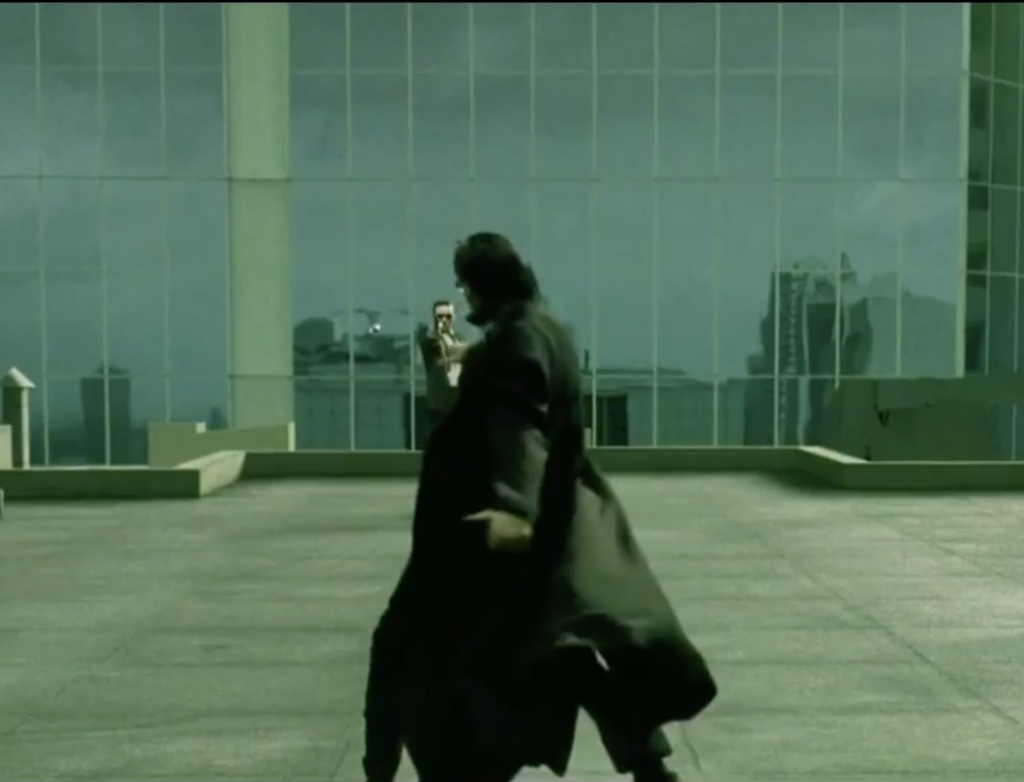
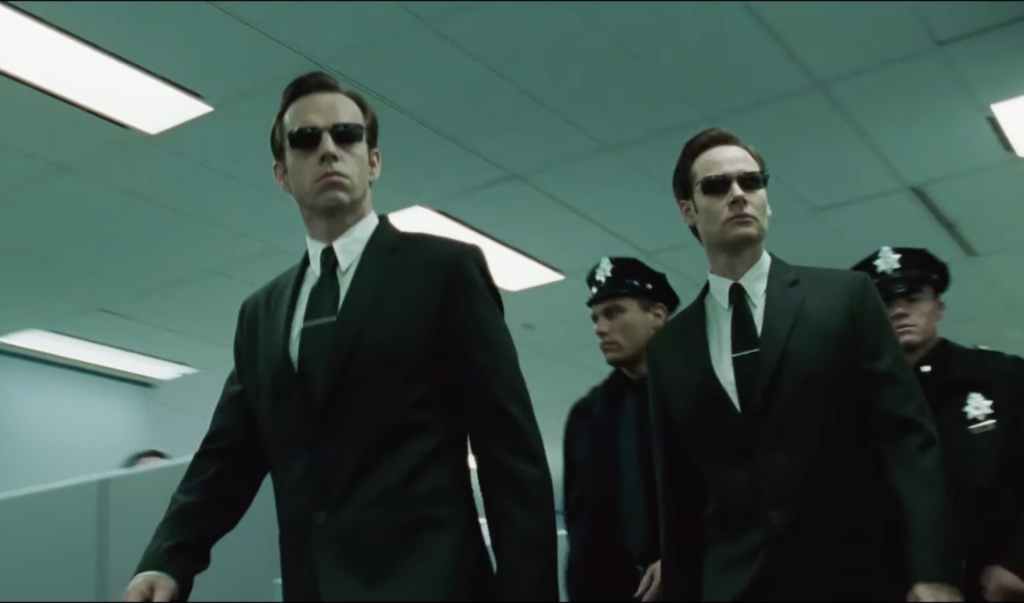
The Matrix on the surface presents us with a fairly simple narrative. We have a chosen one, empowered with the very power of the system, who must tear it down. Along with this we have the usual messages of how important it is to answer the call and believe in yourself even when you think you have failed. The movie follows Neo as he is made aware that his life is not his own, that he is living in a computer as a battery for AI, and that he alone has the power to stop this and free humanity. He must make a choice though, will he return to his quiet facsimile of life or awaken to his own potential along with the suffering that brings. We have a movie about it so obviously he chose the latter. He goes on to meet a rag-tag team of rebels fighting to free humanity from their collective dream, they arm him and prepare him for the coming battles. Following this they dive back in, even though Neo has yet to show he is the chosen one they must believe. Unfortunately they are betrayed and their leader Morpheus is captured. Neo then goes to save him and discovers his true power, defeating an AI and proving he is chosen. On the surface level this narrative is nothing to write home about. It could be easily compared to the heroes journey in Star Wars or any other number of previous sci-fi works. The Matrix does add on an additional surface layer of liddidic sentiment against AI a la Dune, but remains well within the bounds of typical science fantasy. However it is below this surface level that The Matrix differentiates itself and ingratiates itself to audiences in ways that remain unseen by many viewers.
Looking Deeper
I would argue that The Matrix is the product of a time when creatives and non-blue collar Americans were first becoming threatened by automation combined with rising financial uncertainty. The Matrix was released in 1999, on the cusp of a new millennium with all the excitement and anxiety that brings and The Matrix showcases all of those feelings to the fullest extent. The Matrix shows us a world with all the greatness and danger of technology turned up to 11. A world where you can become a kung fu master by downloading a file to your brain and then be beat to a pulp by a living computer that can dodge bullets. I argue that The Matrix serves us now in 2026 better than it did the people of 1999, but for different reasons than you may think. We are currently facing many of the same struggles that spurred the creation of The Matrix, and the technology it features is now closer than ever. So what, dear reader, can The Matrix teach us about escapism?
Symptoms of a Failing System
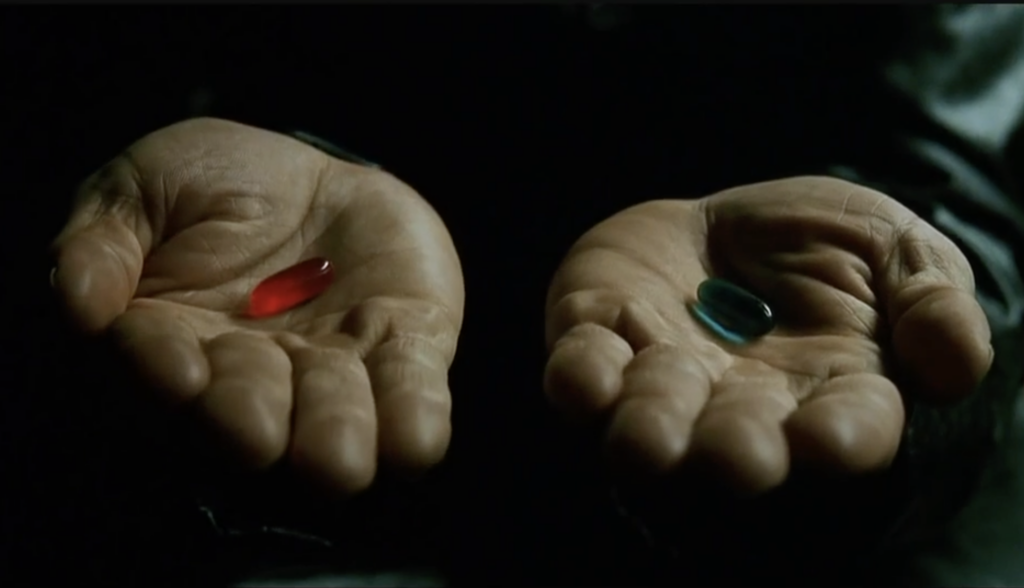
In a now famous scene the enigmatic Morpheus offers Neo a choice, harsh reality or gentle fiction? This dichotomy is emblematic of the choice presented to us all. Go along with your life contented, or attempt to make changes. I believe most choose the former and that is the narrative of The Matrix. Of those that realize their own condition even they sometimes choose to return to their previous state of inaction bribed by the powers that be to delight in their subdued fantasy. The Matrix questions weather it is better to life in a pleasant fantasy or unpleasant reality. This question may come off as absurd when applied to real life but it is closer than you may think. Although we may have no matrix in which to upload our minds we have many ways to escape from the oppressive mundanity to which we are confined. One of these methods is gaming, something I believe The Matrix is acutely aware of.
The Gaming Connection
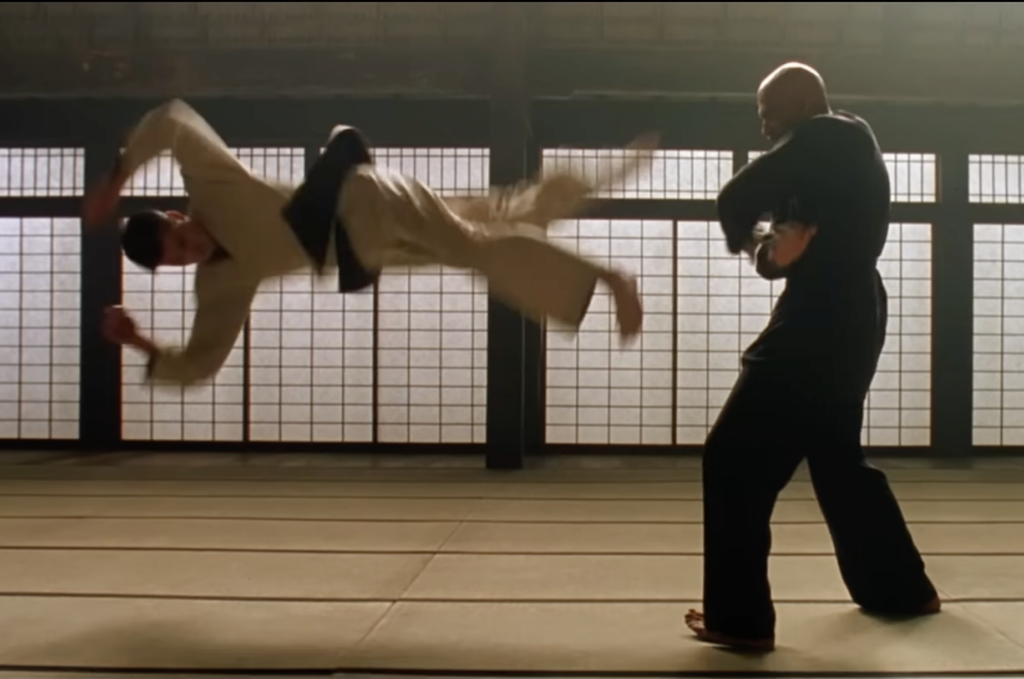
Through shared worlds of fantasy we are given the opportunity to escape into a world where we have the agency that we desire. This is the narrative of The Matrix, it is a game and Neo and to some extent Morpheus and the other rebels are the empowered player. By dint of their awareness and exploitation of the system the players are given focal status within the world and responsibility to save it. Along the way they must level up and collect new and powerful abilities. Although video games were in relative infancy when The Matrix was released another type of game had at that time long existed to steal the hearts and minds of creative young adults: TTRPGs. TTRPGs display many of the mechanics present within The Matrix. In one of the works most famous scenes Neo downloads simulations of martial arts instantly becoming a master, I would argue this is emblematic of a class selection where a you choose what you will specialize in and gain a slough of new abilities all at once. Similarly when Neo discovers his true power, and in the words of Morpheus “begins to believe” we see his character gain a great deal of power just when he needs it most, accessing new abilities granted to him by the system to meet the oncoming threat. I would liken this to how most WoTC licensed adventures for 5e and 2024e DnD provide the player with a silver bullet to punch above their weight and defeat an adversary they should be helpless against The Matrix presents Neo with the perfect tool when the time is right. As a draw from DnD I feel I should give reference to the mechanics of which I speak. In the 2017 adventure “Tomb of Annihilation” the player is presented with the opportunity to bond with animal spirits of the jungle in order to stand against the lich Acerak who is far above their level. In the 2019 “Decent Into Avernus” adventure the player is presented with the opportunity to retrieve the lost sword of the fallen angel Zariel. With it they can attempt to sway her to return to the light, or failing that, break the infernal chains dragging the city of Baldurs Gate into the nine hells thus completing their mission. These share a great deal of similarity with Neo’s awaking, a strong burst of power with limitations to ensure it is not permanent enough to disrupt future narratives.
Closing Thoughts
Although at the surface level the high fantasy of DnD and the sci-fi of The Matrix may seem completely different but as I have demonstrated if you look below the surface of their aesthetics they share a great deal. Both in the mechanics they display but also in the their purpose. Just as the matrix offers the Neo and his associates a playground in which to be all they can be TTRPGs offer a playground for the modern creative mind. Together they create a shared mythology of the escape from reality into a world where your wildest dreams become possible.
The channel Adventures in Aardia is best known for its ongoing series Roll For Sandwich. In this series the channels host Jake in his words “Allows fate to decide my lunch”. To be more specific he rolls several types of die in a manner imitating Dungeons and Dragons skill checks to select the components of his sandwich. The series has drawn wide spread attention for Jakes jovial nature, love of sandwiches, wide array of ingredients, a thrilling viewing experience, and of course the shows overt references to DnD. But what about this community it has amassed? What are they like? That is the question I aim to answer today.
Methods
To learn more about the community surrounding this series I dove into the comment sections of recent episodes on YouTube, TikTok, and Instagram. The goal of this is to see not only the full scope of what the Roll For Sandwich community has to offer but compare the differences between how each of these short form video content platforms users interact with the same media. My hypothesis going into this is that YouTube comments will be longer and more focused on the ingredients and preparation of the sandwich, TikTok comments will tend to be shorter and have more variety in subject than YouTube, and Instagram comments will be short and focused mainly on the jokes. I will be in a solely observational role for this research.
YouTube
YouTube is my own most used platform of these three so I will be starting with it. I have selected the most recent video as of the time of writing to compare across all platforms.
Findnings
The comments on this video were predominantly about the quality of the sandwich as there has apparently been quite the streak of bad sandwiches. The comments tended toward purely congratulatory however there is one in particular I would like to call attention to. The bottom most comment in the above gallery is engaging in the gamblers fallacy and insinuating that all of the good luck as of recently will come at a cost. This comment does this by invoking the many ingredients which have been the bane of many a sandwich on the show. This is done in the form of a reference to the Lord of The Rings in keeping with the shows fantasy theming. Specifically it references the “ketchup drums”, with the host Jake’s dislike of ketchup being a running joke in the community it is fitting that it be the first of the dire ingredients mentioned. This comment demonstrates some of the culture in the community, both its ties to fantasy and some of its fixations on strange and abnormal sandwich ingredients.
Once again the comments remain focused on the quality of the sandwich ofter the dry spell which is not what I predicted. However once again we see a reference made to the looming threat of ketchup. This demonstrates the community has shared in-jokes that span more than one platform. I would also like to draw attentions to the lack of negative comments which is a rarity on instagram and I think shows that Jake has clearly put a lot of effort into cultivating a positive community.
TikTok is Roll For Sandwiches largest platform by far with 2.4 million followers and is the birthplace of the series. Because of that I was interested in what people had to say about this episode as TikTok should have the widest variety of comments.
While the comments on this video do still remain fairly focused on the high quality of the sandwich we can observe something interesting and novel to this platform. While both YouTube and Instagram remained almost solely referential to ketchup when discussing past incidents TikTok has brought up a previously unmentioned “butter and reroll” incident that was not frequently mentioned on the other platforms yet aside from congratulations dominated the TikTok comments. I believe this is indicative of TikTok having a different, perhaps more developed, culture than the other platforms due to it being the origin of the series.
Conclusion
Across all three platforms I was impressed by the level of passion and positivity in the comments sections. In online spaces hate comments and arguments taking place in the comments are all too common so it is impressive to see a community that seems to be so predominantly positive about the series they enjoy. My hypothesis was also proven wrong as Instagram and YouTube mostly shared common features of comments and TikTok only slightly deviating from the example set by the other two. I give my congratulations to both Jake and the Roll For Sandwich community for setting a good example of maintaining a positive and welcoming community even as a channel grows and even across multiple platforms.